18 September 2026
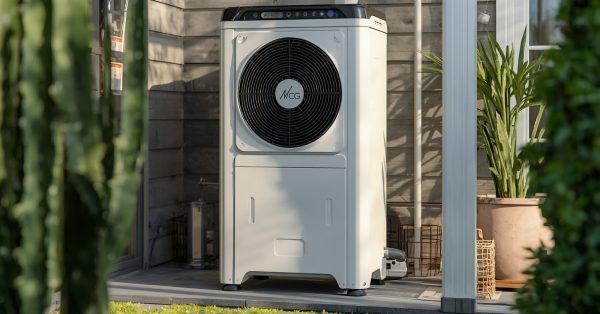
Atmospheric water generators (AWGs) offer an innovative way to produce water by extracting moisture from the air. As interest in alternative water sources grows, many Australian households are beginning to explore whether this technology is practical for home use.
While AWGs can be effective in certain conditions, their performance depends heavily on climate and energy use.
Read Article
11 September 2026
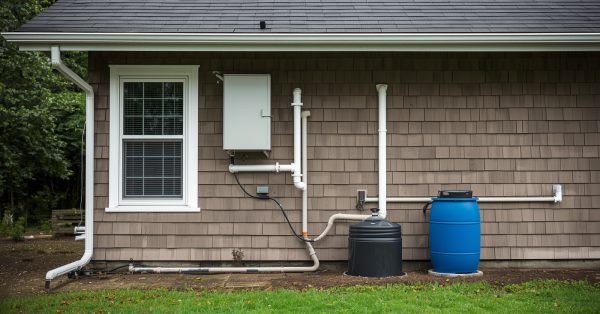
Rainwater collection doesn’t need to be complex to be effective. With a few simple components—gutters, screens, and storage drums—households can capture and store valuable water during rainfall.
For many Australian homes, especially in areas with seasonal rain, these basic systems provide a practical starting point for improving water efficiency.
15 July 2026
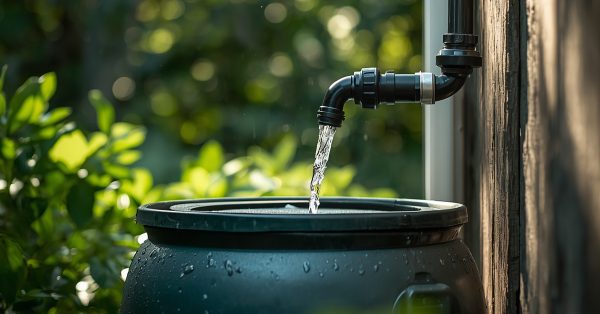
Rainwater is one of the most accessible and underused water sources for households. With the right setup, even small amounts of rainfall can be collected and stored for later use. As water conservation becomes increasingly important, simple rainwater systems offer a practical way to reduce reliance on mains supply.
Many of these systems can be set up using basic materials, making them both cost-effective and efficient.
05 June 2026
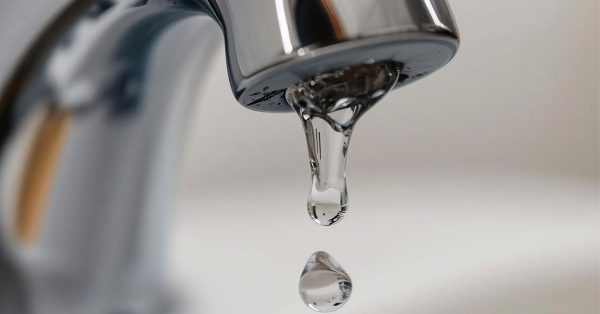
Water leaks often go unnoticed, quietly wasting thousands of litres each year. A dripping tap, a running toilet, or a small pipe leak may seem minor, but over time these issues can add up to significant water loss. The good news is that many common leaks can be detected with a quick inspection at home.
A simple 20-minute DIY check can help identify hidden leaks early, allowing households to fix small problems before they turn into costly repairs or unnecessary water waste.
29 May 2026
Water conservation at home often begins with small changes. While many people focus on outdoor water use, indoor fixtures can also account for a large portion of household water consumption. The good news is that upgrading a few common fixtures can significantly reduce water usage without changing daily routines.
By replacing older fittings with water-efficient alternatives, households can save thousands of litres of water each year while still maintaining comfort and convenience.
22 May 2026
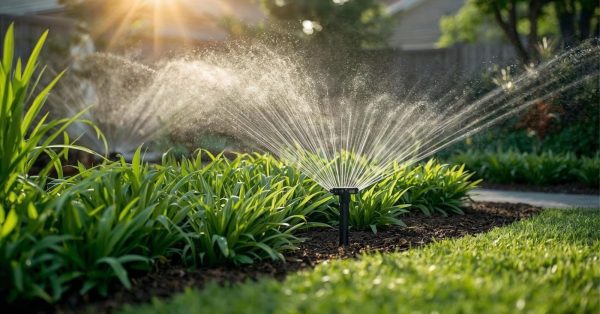
Water is one of the most valuable resources in any garden, yet traditional watering methods often lead to waste. Overwatering, evaporation, and inefficient irrigation systems can use far more water than plants actually need. As water conservation becomes increasingly important, many homeowners and property managers are turning to smarter ways to manage irrigation.
Smart irrigation technology helps ensure gardens receive the right amount of water at the right time, reducing waste while keeping landscapes healthy and productive.
17 April 2026
When water shortages occur, the focus often turns to supply — rainfall levels, dams, desalination plants, or restrictions. While supply is important, it is only part of the equation. In many cases, the real challenge is not how much water arrives, but how well it is stored and managed once it does.
Water storage is the often-overlooked link between supply and security.
10 April 2026
In drought-prone regions, water scarcity is not an occasional challenge — it is a recurring reality. For many parts of Australia, long dry periods are a normal part of the climate cycle, making proactive water planning essential rather than optional.
Effective water conservation starts long before restrictions are imposed. It begins with understanding how water is captured, stored, and managed over time.
03 April 2026
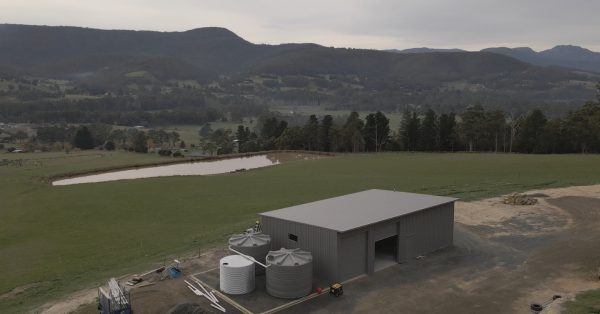
Rainwater harvesting is one of the simplest and most effective ways to conserve water — especially for small properties where space, budget, and efficiency all matter. With rainfall patterns becoming increasingly unpredictable, capturing water when it’s available can make a meaningful difference to long-term water security.
For homeowners, small farms, and rural blocks, a well-planned rainwater harvesting system turns rainfall into a reliable resource rather than a missed opportunity.